
Why Play Is the Work of Childhood
10 February 2026 · Dipti Ratanpal
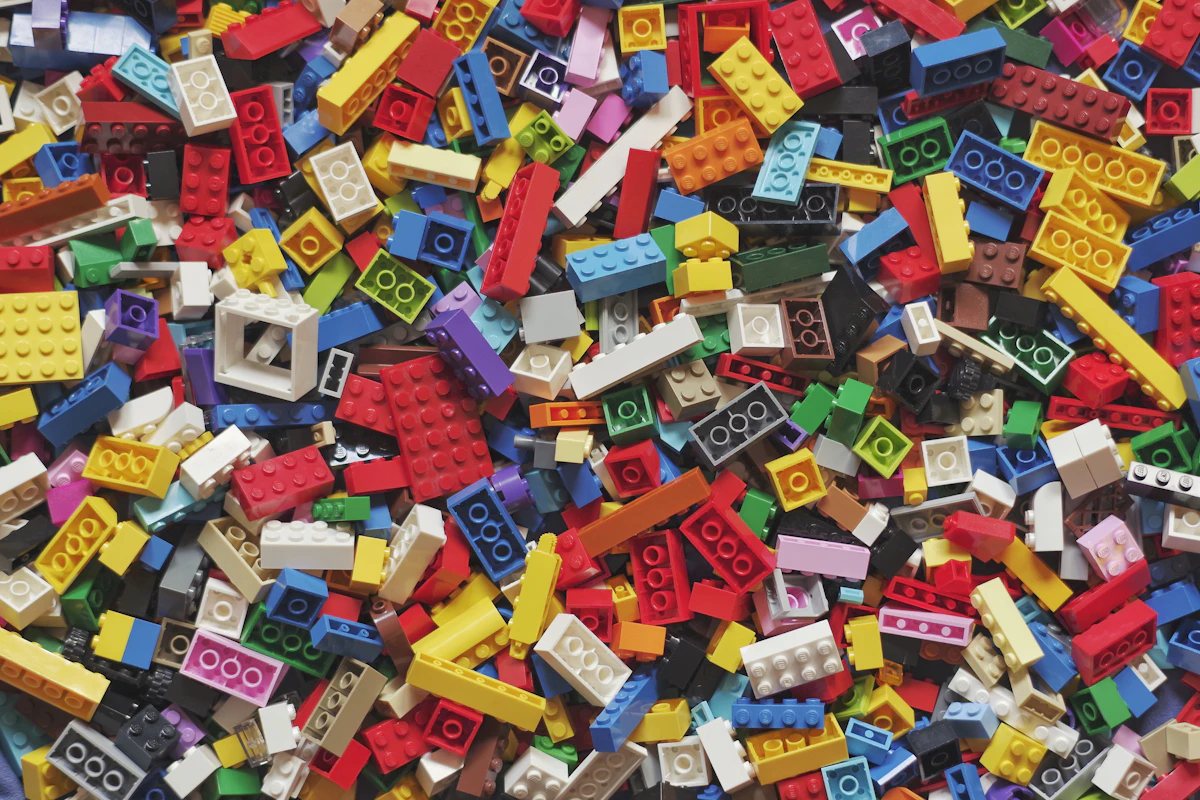
When adults see children building blocks, pretending to run a shop, or digging in mud, they often think of it as a break from real learning. But for young children, play is real learning.
What children learn through play
- Language and communication as they negotiate roles and tell stories.
- Problem-solving when a tower falls and they try again.
- Self-regulation as they manage turn-taking and disappointment.
- Creativity and flexible thinking through open-ended materials.
Research consistently shows that play supports the executive function skills children need later for literacy, maths, and relationships. When we protect play time, we protect brain development.
What parents and teachers can do
- Offer open-ended materials rather than one-purpose toys.
- Step back long enough for children to figure things out.
- Join in occasionally as a play partner, not a director.
- Advocate for uninterrupted blocks of play time at home and school.
“Play is the highest form of research.” — often attributed to Albert Einstein
The best early childhood classrooms feel like warm workshops. Children are busy, purposeful, and deeply engaged. That engagement is the evidence of learning.
Resources on this site are based on Dipti Ratanpal’s experience in early childhood education and are intended for parent and teacher guidance.